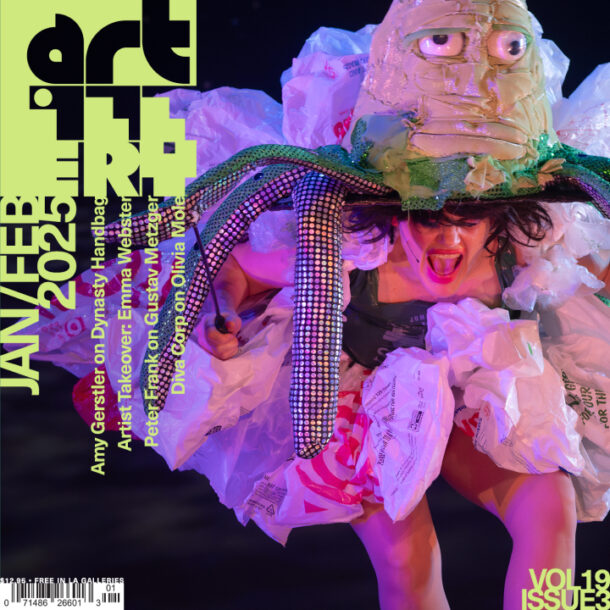
Art
BUNKER VISION
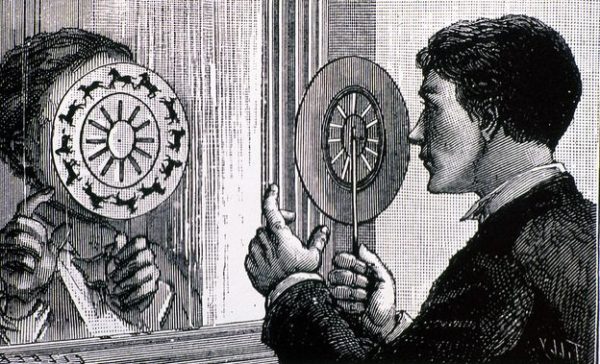
The desire to make drawings move goes back centuries. A 5000-year-old bowl found in Iran contains a sequence of images of a goat jumping up to a tree that could appear to be an early animation if the bowl was spun quickly enough. A 3000-year-old lamp found in China...

ASK BABS
CHOOSE ME DEAR BABS: How do I get a studio visit with the curators of Made in L.A. [The Hammer Museum biennial]? None of my artist friends know how to get works considered for the biennial. I wish there was more transparency in terms of how they survey the emerging...
Dave and Jeff’s Wonderful Column Area
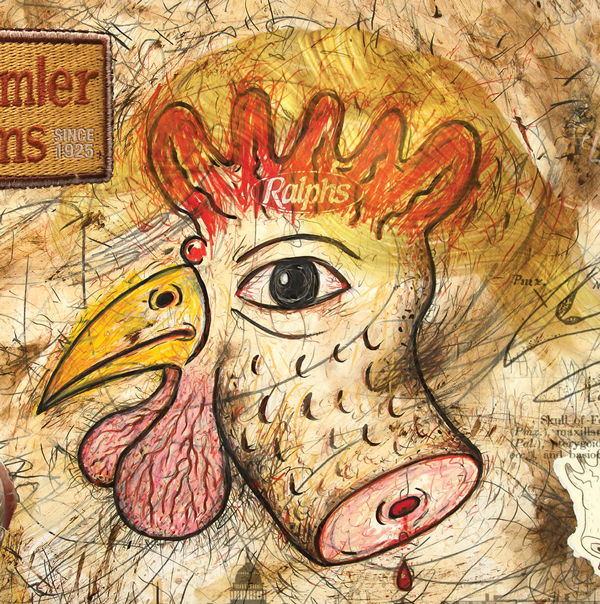
“Why do we call Deutschland Germany?” Kischnec asked his friend Linda, one of the passing chickens dangling from the conveyer belt. “It’s not like it’s hard to say: DOITCH-londt. What’s the fucking problem? Same with other countries. But I imagine you know more about...
BOOKS
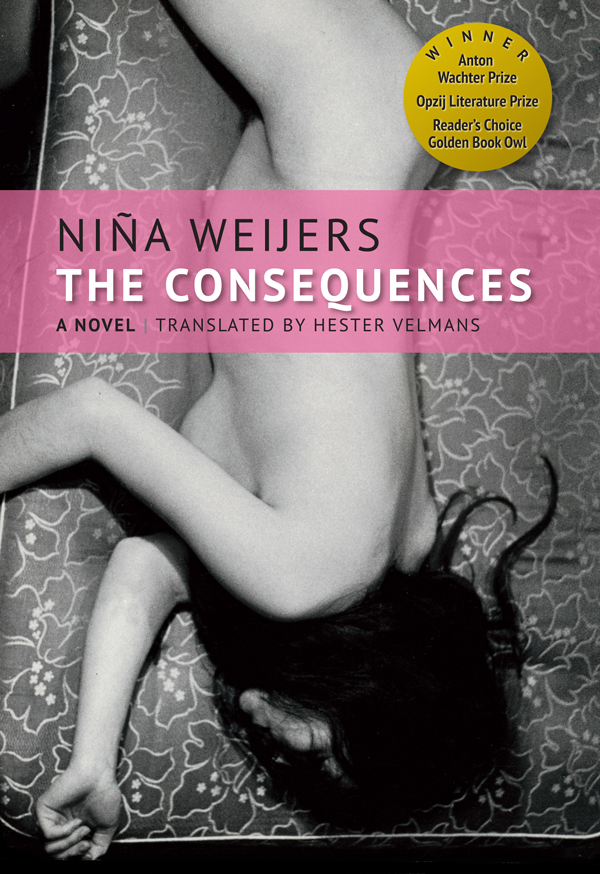
Minnie Panis has a problem with existence. Minnie, budding Dutch conceptual artist and central character in Niña Weijers’ debut novel The Consequences, finds the idea of her own existence an excruciatingly difficult one. In this, however, she is not alone. The notion...

COMICS: Albrecht Dürer

RECONNOITER
Naima J. Keith is the deputy director of Los Angeles’ California African American Museum (CAAM), arriving in 2016 from the Studio Museum in Harlem, New York. Being an LA native, what was your awareness of CAAM, their programs, and their history before leaving Los...
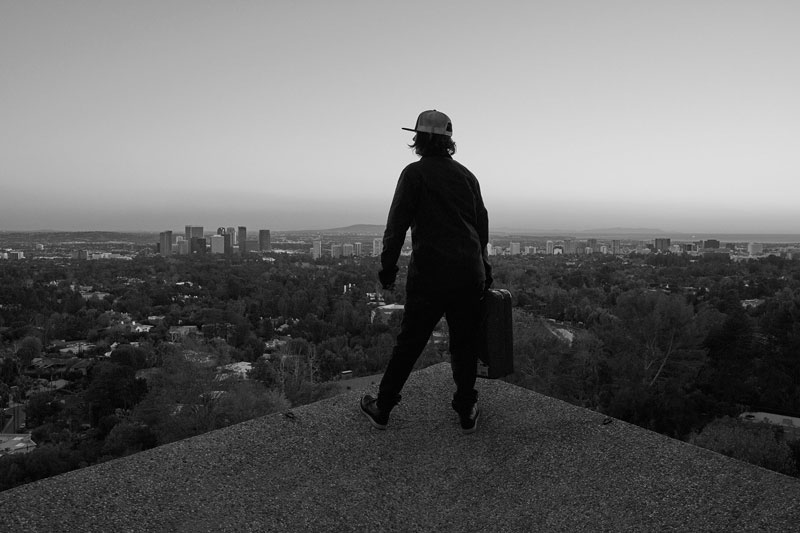
Catherine Opie
Both love letter and indictment, “The Modernist,” Catherine Opie’s new photographic installation and short film, blurrily overlays real places and occurrences with imagined events, creating an alternate near-term history of Los Angeles. Known as a portraitist and...
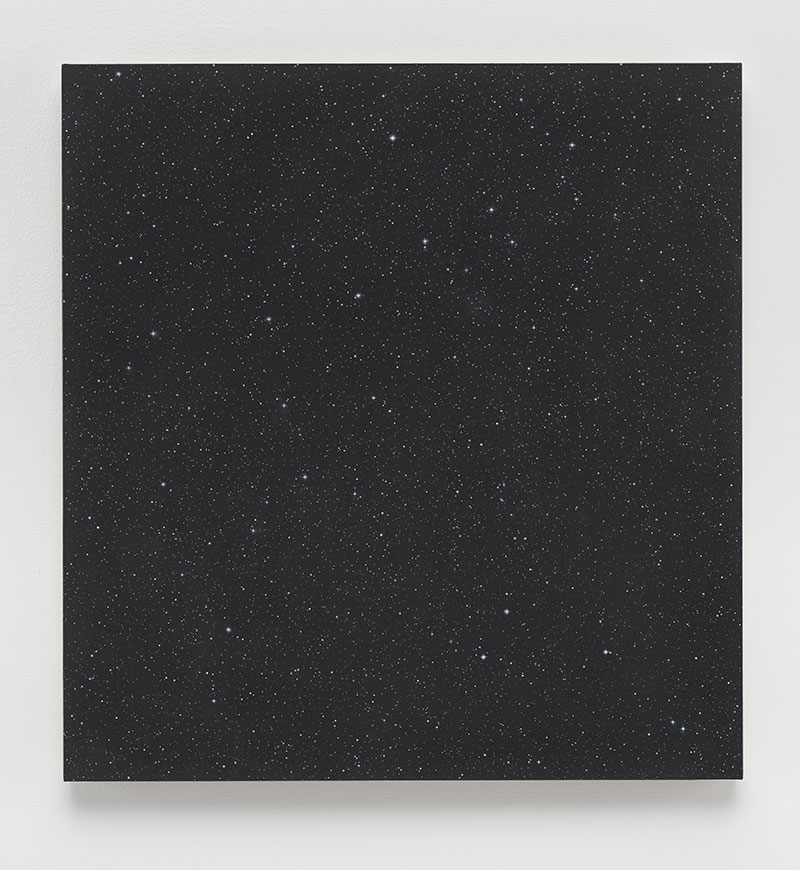
VIJA CELMINS
Vija Celmins’ work is best when you are caught by surprise—don’t read the manifest, just board the ship. Sublime encounters open quiet pathways to deep consideration of the now-octagenarian artist, her times and her legacy. Celmins’ exhibition at Matthew Marks Gallery...
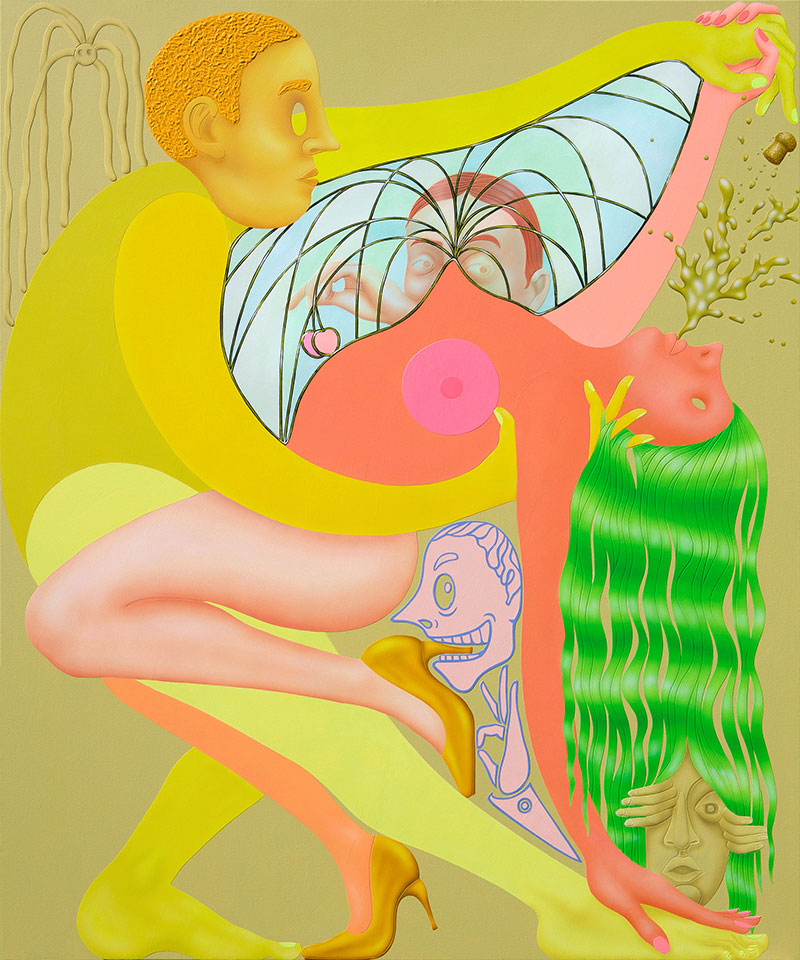
Wendell Gladstone
“Fever Pitch,” Wendell Gladstone’s new collection of paintings, achieves that elusive characteristic in which the longer you look, the more you see. It may be the bright, cotton candy-colored palette that draws you in, but it’s the details that keep you looking. At...
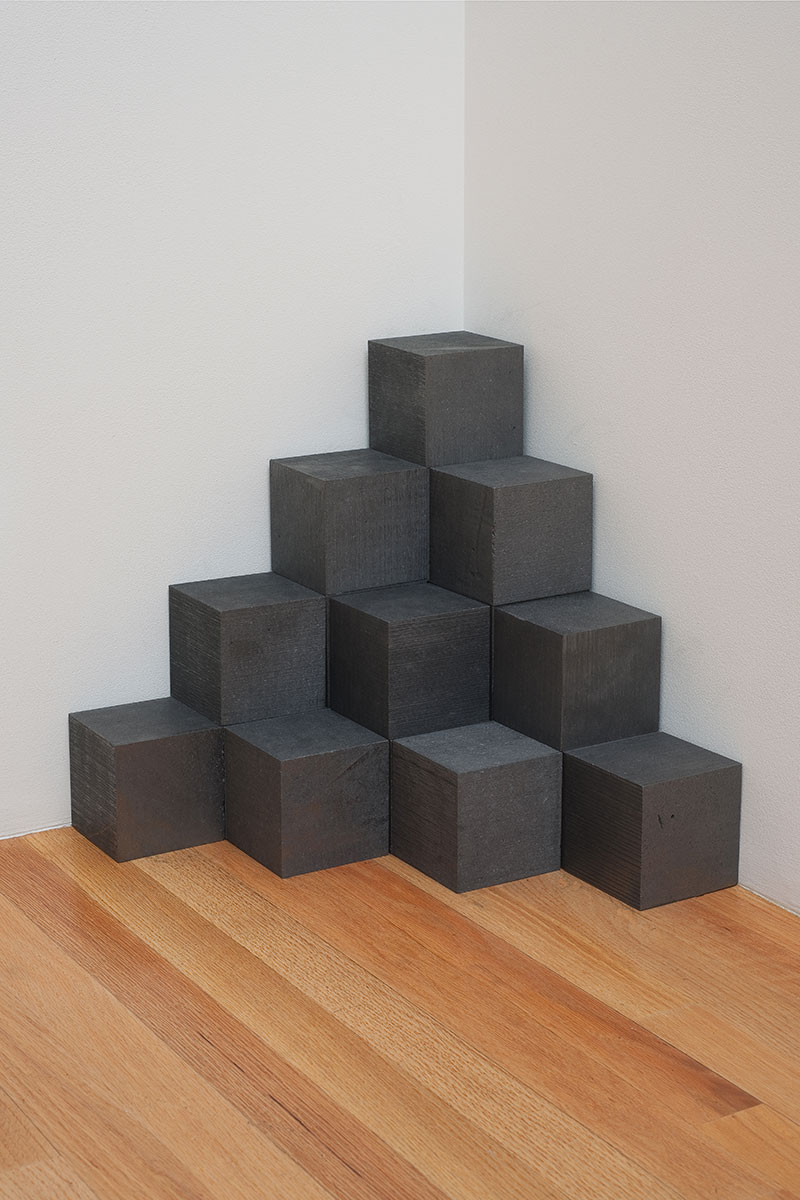
Elemental
Minimalism, as Robert Hughes remarked, was the last great “ism” in contemporary art. It was perhaps defined best in the writings of Donald Judd (who hated the term), and in a few of Judd’s interviews from the 1970s. What seem significant in these are his ideas...
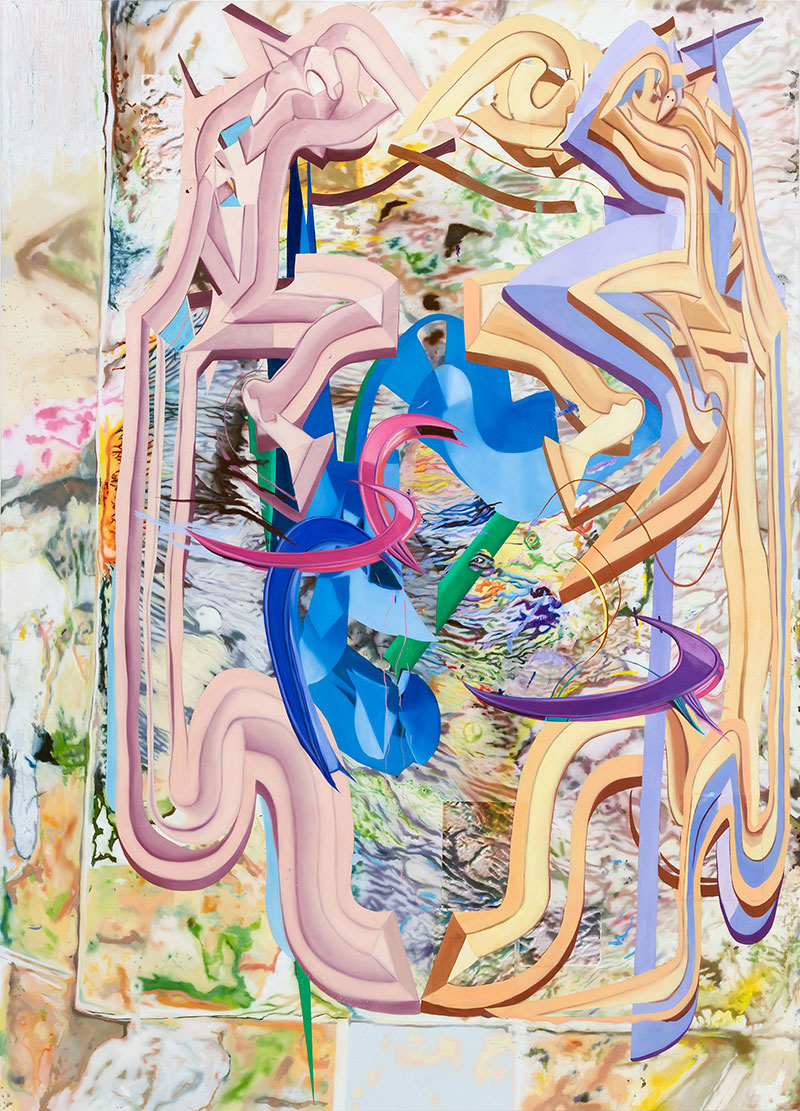
Rives Granade
Looney Toons, Leger, Lewitt, and Kandinsky battle it out for aesthetic prominence across these epic and absolutely eccentric new paintings and sculptures by Rives Granade. Abstract forms, deracinated texts, and schematic signifiers festoon the gestural grounds of his...
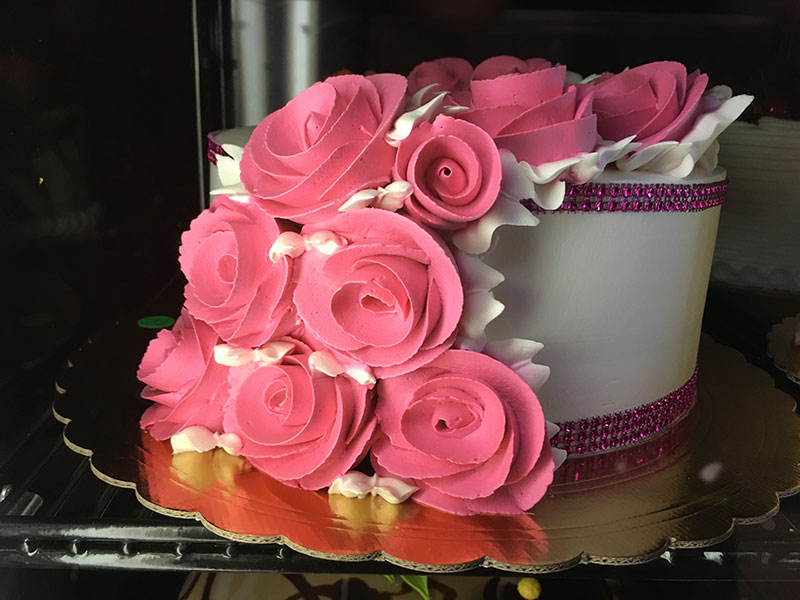
Judy Fiskin
Nearly everyone is aware of the smartphone’s impact on photographic aesthetics. Once-novel styles engendered by the cameras embedded in these devices have become so clichéd that they might pose more of a burden than a boon to smartphone shutterbugs shooting for...

Grant Levy-Lucero
There is a lacerating wit in the work of Grant Levy-Lucero, a solemn shrewdness dressed in Bermuda shorts. He is playful but he is not playing around. His exhibition of crude ceramics at Night Gallery borders one wall of an otherwise barren chamber. Displayed upon a...

Taking Up Space
Just inside the entrance and visible through the plate glass window that leads in from the hallway, a bloated lozenge floats, supported from below, in an oddly visceral pink bulb. From one corner, a white tassel hangs. Conjuring both entrails and a soiled gown, the...
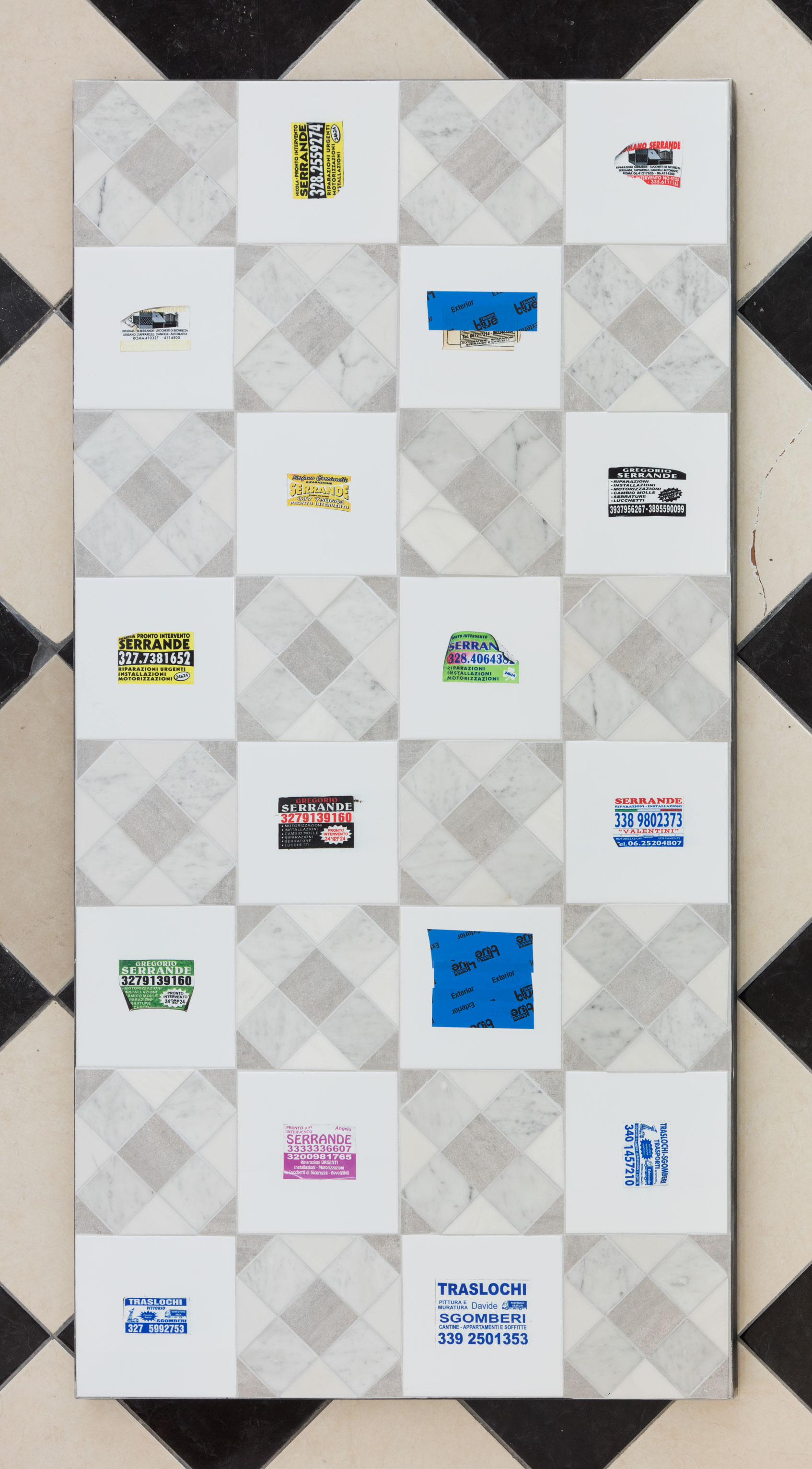
Michael Queenland
During his year-long residency at the American Academy in Rome, Michael Queenland roamed the streets. Rome is a beautiful city to walk in, filled with ruins and monuments, but like any modern city, it is also cluttered with trash. The detritus—what was thrown...
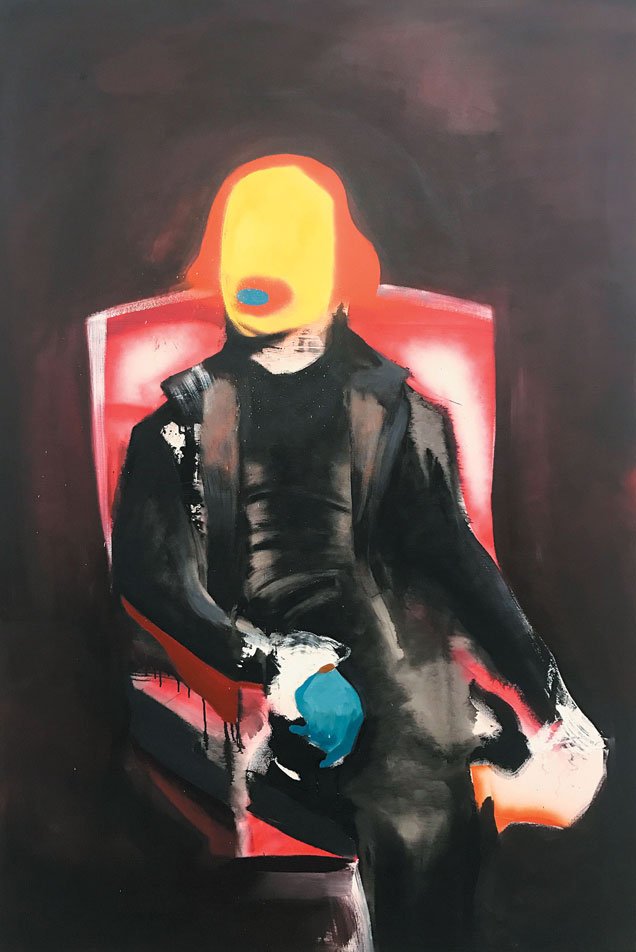
MARCUS JANSEN
In the late 1940s, Abstract Expressionism developed as an aesthetically pure style, stripped of the political content of 1930s Depression-era art, memorably dismissed by Arshile Gorky as “Poor art for poor people.” That attitude persisted until a counter-reaction set...

ON THE COVER
Gabriela Castillo, Hector, 2013, Cretacolor and charcoal on paper, 11 x 15 inches, courtesy of the artist. In our March/April 2018 issue, on Drawing. Read about Castillo's work and other artists in contributor Betty Ann Brown's article Seeing Reality, on page 34, and...